Companies
How famous companies grew, nearly failed and became household names.
25 stories in this section
Companies: the files
Newest first
- Harley-Davidson Was Saved With an Hour to Spare on New Year's Eve 1985$80M→$4.47BBuyout, 1981 → Revenue, 2025
Thirteen executives used mostly borrowed money to buy Harley-Davidson from a conglomerate for about $80 million. Four years later their lender wanted out, and the bankruptcy papers were ready on the table.
- News Corp Paid $580 Million for MySpace and Sold It for $35 Million$580M→$35MBought for → Sold for
In 2005 Rupert Murdoch's company bought one of the fastest-growing sites on the internet. A year later Google promised $900 million in ad payments. Six years later the whole thing went for $35 million.
- Before Mario, Nintendo Made Playing Cards1889→¥2.3TFounded → Net sales, FY2026
For most of its first 80 years, Nintendo printed playing cards in Kyoto. When cards stopped growing, it tried taxis, hotels and instant rice. What saved it was a toy a maintenance worker built for fun.
- Nokia Sold Its Phone Business for €5.44 Billion and Kept Going€5.44B→$7.6BSold for → Microsoft's write-down
A Finnish pulp mill became a maker of boots, tires and cables, then the world's biggest phone company. In 2013 it sold the phones to Microsoft. In 2015 Microsoft wrote off more than it had paid.
- Post-it Notes Came From a Glue That Failed1968→1980Glue invented → National launch
A 3M chemist set out to make a super-strong adhesive and made a weak one instead. It took years to find a use for it, a failed launch, and a city full of free samples before it sold.
- Samsung Began by Selling Dried Fish and Noodles30,000 won→₩333.6TStarted with → Revenue, 2025
In 1938 a 28-year-old opened a trading company in Daegu with 30,000 won and forty employees. Forty-five years later, in a Tokyo hotel, he bet the group on memory chips.
- Toyota Grew Out of a Loom Maker and a £100,000 Patent Sale£100,000→¥50.7TPatent deal, 1929 → Revenue, FY2026
Before Toyota made cars it made looms. In 1929 an English rival agreed to pay £100,000 for the patent rights, and the founder's son set off to sign the deal and look at Ford's factories.
- Twitter Began as a Side Project at a Failing Podcast Startup$44B→$33BBought for, 2022 → Valued at, 2025
In 2006 a podcasting company that was going nowhere let a few employees build a status-update tool. Its founder bought the company back from investors. Sixteen years later Elon Musk paid $44 billion for what it became.
- WD-40 Is Named After the 40th Try3 staff→$620MStarted as → Net sales, FY2025
In 1953 a three-person company in San Diego was trying to stop missiles from rusting. Its 40th formula worked, workers started taking cans home, and the company eventually dropped everything else.
- Apple in 1997: About 90 Days From Running Out of Cash-$1.04B→$416BLoss, 1997 → Revenue, 2025
In 1997 Apple lost $1.04 billion and, by Steve Jobs's account, was about 90 days from running out of money. Its rescue included $150 million from its oldest rival.
- Instagram Sold for $1 Billion With Almost No Revenue$500K→$1BSeed money → Facebook's price
Instagram started as a check-in app with $500,000 of seed money. Eighteen months after its launch, Facebook agreed to pay $1 billion for it.
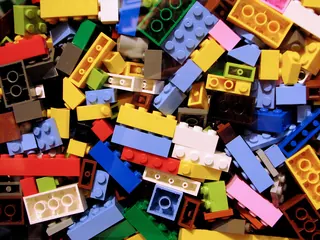
- How Lego Nearly Went Bankrupt, and Came Back-DKK 1.9B→DKK 83.5BLoss, 2004 → Revenue, 2025
In 2004 Lego lost nearly 2 billion Danish kroner and its owner put his own money in to keep it going. In 2025 it sold DKK 83.5 billion of toys.
- Marvel Went Bankrupt in 1996. Disney Paid $4 Billion in 2009.Ch. 11→$4BBankrupt, 1996 → Disney paid, 2009
In December 1996 the company that owned Spider-Man and the X-Men filed for bankruptcy. Thirteen years later Disney paid $4 billion for it.
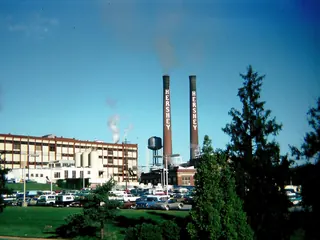
- Milton Hershey Failed Twice, Then Sold Caramel for $1 Million2→$1MFailed businesses → Sold for, 1900
Milton Hershey's first two candy businesses failed. His third, a caramel company, sold for $1 million in 1900. He spent it on a chocolate factory, a town, and a school that still controls the company.
- YouTube's $1.65 Billion Sale to Google$1.65B→$60B+Google paid, 2006 → Revenue, 2025
In October 2006 Google paid $1.65 billion in stock for a video site that was less than two years old and facing copyright fights. In 2025 YouTube brought in more than $60 billion.
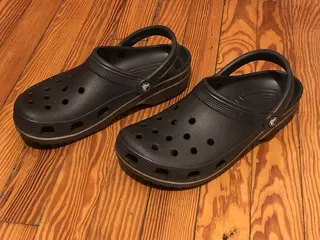
- How Crocs Nearly Went Broke in 2008-$185M→$4.04BNet loss, 2008 → Revenue, 2025
Crocs went from 200 pairs at a boat show to the biggest footwear IPO of its time. Then, in 2008, it lost $185 million and its shares fell below a dollar. In 2025 it sold more than $4 billion of shoes.
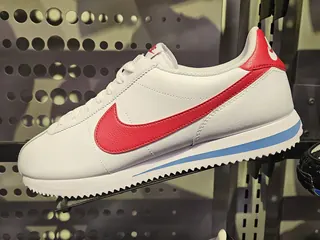
- Nike Was Always Broke: The Blue Ribbon Sports Years$1,000→$46.4BFounders put in → Revenue, FY2026
Phil Knight and his old track coach started with $500 each. For more than a decade, the faster their company grew, the closer it came to running out of cash. In 1975 its own bank called the FBI. Last year Nike sold $46.4 billion of goods.
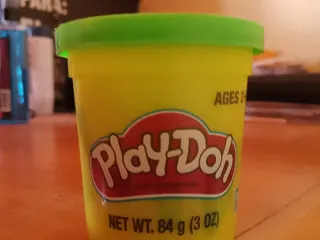
- Play-Doh Started as a Wallpaper CleanerA dying cleaner→3B+ cansStarted as → Cans sold
For twenty years a Cincinnati soap company lived on a putty that wiped coal soot off wallpaper. Then the soot went away, the company nearly went with it, and a nursery school teacher saw what the putty was really for.
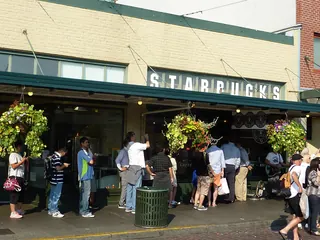
- Howard Schultz Bought Starbucks for $3.8 Million$3.8M→$37.2BPurchase price → Revenue, FY2025
Howard Schultz was turned down by 217 of the 242 investors he asked to back his first coffee bar. Then Starbucks' founders offered him their six stores for $3.8 million, and a rival investor tried to take the deal. In fiscal 2025 Starbucks had revenue of $37.2 billion.
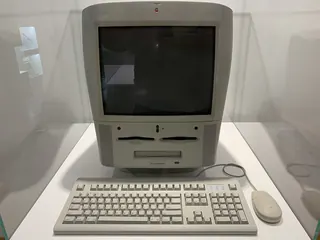
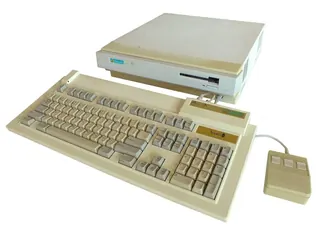
- How Acorn and Apple Created Arm in a Turkey Barn$1.5M→$54.5BApple's stake cost → Value at 2023 IPO
Arm built a chip empire without making chips. It started in 1990 with twelve engineers from a struggling computer maker and a converted barn near Cambridge. Its designs are now inside most of the world's phones.
- Gorilla Glass Waited 40 Years for the iPhone1971→$2.5BShelved in → Apple commitment
In the 1960s Corning invented a glass so tough it could survive a car crash, then shelved it because nobody would buy it. In 2007 Steve Jobs needed a screen that wouldn't scratch, and the old formula came back out of the drawer.
- Bubble Wrap Was Supposed to Be WallpaperTwo shower curtains→$10.3BFirst prototype → Enterprise value
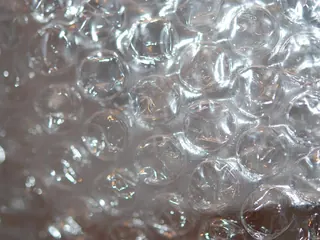
Two engineers in New Jersey sealed a pair of shower curtains together in 1957 and tried to sell the result as wallpaper. Then as greenhouse insulation. It took an IBM computer to find out what it was for.
- Trader Joe's Began With a Store That Lost to 7-Eleven6 stores→661 storesStores at start → Stores today
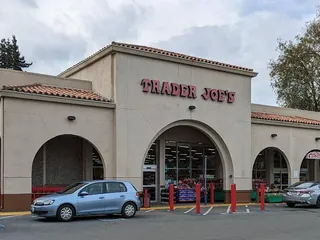
Joe Coulombe was running a small chain of Los Angeles convenience stores in the 1960s when he realized 7-Eleven was going to crush him. His answer was a shop for people with degrees and not much money.
- Brownie Wise: The Woman Tupperware Tried to Erase$30,000→$16MHer settlement → Company sold for
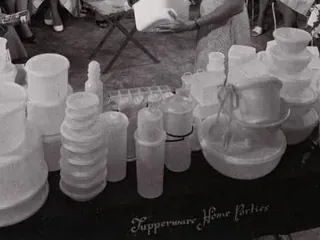
Brownie Wise invented the Tupperware party, built a sales force of thousands and became the first woman on the cover of BusinessWeek. When the founder fired her, she found she owned no shares, not even the house she lived in.
- Stewart Butterfield's Two Failed Games Became Flickr and Slack~40 people→$27.7BTeam size → Sale price
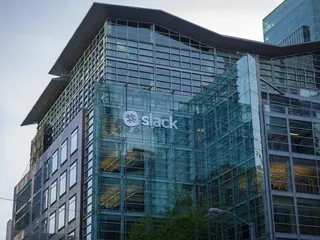
Stewart Butterfield set out twice to build an online game. Both failed. The first left behind Flickr, which sold to Yahoo. The second left behind Slack, which Salesforce bought for $27.7 billion.