Zero to Empire
People who started with very little and built companies the world now knows by name.
15 stories in this section
Zero to Empire: the files
Newest first
- Ben & Jerry's Started With a $5 Course$12,000→$326MStarted with → Sold for
Two school friends learned to make ice cream from a $5 correspondence course and opened in an old gas station in Vermont. Twenty-two years later Unilever paid $326 million for the company.
- Dollar Shave Club: A $4,500 Video and a $1 Billion Sale$4,500→$1BLaunch video → Sold for, 2016
A founder spent his own savings on a short video selling cheap razors by mail. It brought 12,000 orders in two days. Four years later Unilever paid a reported $1 billion in cash.
- Domino's Began With $900 and a Used Beetle$900→$20.1BBorrowed → Retail sales, 2025
In 1960 two brothers took over a small pizza shop in Michigan with borrowed money. Eight months later one of them traded his half for the delivery car. The other built the largest pizza company in the world.
- HP Started in a Garage With $538$538→$55.3BStarted with → HP Inc. revenue, 2025
Two Stanford graduates, a rented one-car garage and $538 in cash and tools. Their first big order came from Walt Disney Studios, and the garage is now called the birthplace of Silicon Valley.
- Hotmail Sold to Microsoft for $400 Million 18 Months After Launch$300K→$400MRaised → Sold for
Two engineers raised $300,000 for a free email site, launched it on Independence Day 1996 and let every message sell the service. By the end of 1997 Microsoft owned it.
- IKEA Started With a Teenager's Reward for Good GradesAge 17→€44.6BFounder's age → Retail sales, FY2025
A farm boy who sold matches at five registered a mail-order company at 17 with money his father gave him for doing well at school. A table that would not fit in a car did the rest.
- Shopify Began as a Snowboard Shop That Needed Better Software$105M→$11.6BRevenue, 2014 → Revenue, 2025
In 2004 a German programmer in Ottawa wanted to sell snowboards online and could not find software he liked. So he wrote his own. The shop was a footnote; the software became the business.
- The $30,000 of Cereal That Kept Airbnb Alive$40→$86.5BOne cereal box → Value, IPO day
In 2008 Airbnb's founders were deep in credit card debt and nobody wanted to invest. So they sold cereal at $40 a box. Twelve years later the company was worth $86.5 billion on its first day of trading.
- How Asa Candler Bought Coca-Cola for About $2,300$2,300→$25MRights cost → Sold for, 1919
An Atlanta businessman pieced together the rights to a struggling soda for about $2,300. In 1919 his family sold the company for $25 million.
- Colonel Sanders at 65: A $105 Check, Then a $2 Million Sale$105→$2MMonthly check → Sold for, 1964
At 65 Harland Sanders lost the business he'd built when a new highway bypassed his town. He had savings and a $105 monthly Social Security check. Nine years later he sold Kentucky Fried Chicken for $2 million.
- Fred Smith's $27,000 Blackjack Win That Kept FedEx Flying$5,000→$94.7BLast cash → Revenue, FY2026
FedEx's founder spent his inheritance and tens of millions of investors' money on an overnight delivery airline. When a crucial loan was refused, he took the company's last $5,000 to Las Vegas. In fiscal 2026 FedEx had revenue of $94.7 billion.
- Sam Walton Lost His First Store. Then He Built Walmart.$25,000→$713BFirst store, 1945 → Revenue, FY2026
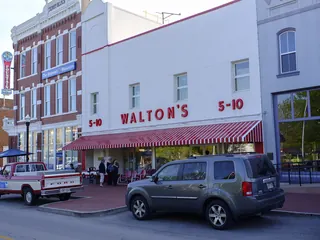
In 1945 Sam Walton borrowed $20,000 from his father-in-law to buy a variety store in a small Arkansas town. He made it a success, then lost it because of a missing clause in the lease. In fiscal 2026 Walmart had revenue of $713 billion.
- Chobani Began in a Yogurt Plant Kraft Threw Away$700K→$20BPlant price → Valuation, 2025
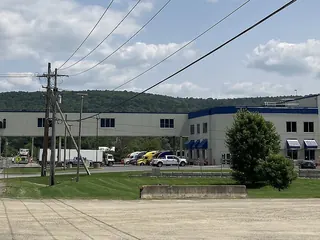
In 2005 Kraft was closing an old yogurt factory in upstate New York. A feta maker with no yogurt experience bought it with a government-backed loan. Twenty years later, Chobani was valued at $20 billion.
- Liquid Paper: From a Kitchen Bottle to a $47.5 Million Sale$300→$47.5MMonthly salary → Sold for
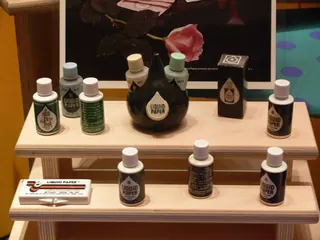
Bette Nesmith Graham was a single mother typing letters at a Dallas bank when she started hiding her typos with white paint. In 1979 Gillette paid $47.5 million for the company built on that bottle.
- Sriracha: The Hot Sauce That Never Bought an AdBaby food jars→$131MFirst bottles → Sales, 2020
David Tran built Sriracha into a business with an estimated $131 million a year in sales without spending a dollar on advertising. Then he fell out with the farmer who grew his peppers, and a jury handed the farmer $23.3 million.