YouTube
YouTube's $1.65 Billion Sale to Google
In October 2006 Google paid $1.65 billion in stock for a video site that was less than two years old and facing copyright fights. In 2025 YouTube brought in more than $60 billion.
- Google paid, 2006
- $1.65BGoogle paid, 2006. The price, in Google stock, of Google's acquisition of YouTube, announced in October 2006.
- Revenue, 2025
- $60B+Revenue, 2025. YouTube's revenue from advertising and subscriptions in 2025, the first time Alphabet disclosed a full-year total.
In this story · 6 chapters
The short answer
Google bought YouTube for $1.65 billion in Google stock, announcing the deal on October 9, 2006, about 20 months after the company was founded. YouTube was facing copyright fights at the time. In 2025 its revenue from advertising and subscriptions passed $60 billion, more than Netflix's $45.18 billion.
In the story its founders often told, it began in January 2005, when three young men who had worked together at PayPal had trouble sharing videos from a dinner party in San Francisco. Karim has since said the dinner party story was exaggerated, but the problem was real. Email attachments were too large. The software was clumsy. There was no simple place on the internet to put a video and let anyone watch it.
Chad Hurley, a designer, and Steve Chen and Jawed Karim, both engineers, decided to build one. They registered the company in February 2005 and worked out of rooms above a pizzeria and a Japanese restaurant in San Mateo, California. They called it YouTube.
Twenty months later Google paid $1.65 billion for it.
Me at the zoo
The first video was uploaded in April 2005. It showed Karim standing in front of the elephants at the San Diego Zoo, talking for 19 seconds about their long trunks. It was not much of a start. For months the site struggled to get people to upload anything.
What the founders got right was the plumbing. YouTube played videos in the web browser, using Adobe’s Flash, without asking people to download software. Anyone could put a clip on their own blog or MySpace page with a few lines of code. Each embedded video was an advertisement for YouTube.
The growth, when it came, was enormous. In November 2005 Sequoia Capital invested $3.5 million, and in April 2006 it put in $8 million more. It was YouTube’s only venture investor. By the fall of 2006 the site was serving more than 100 million video views a day, and users were uploading about 65,000 new clips every day. The research firm Hitwise estimated that YouTube accounted for about 60% of all the videos watched online in the United States.
A site that cost money to run
Behind the success was a problem. YouTube had almost no revenue, and serving 100 million videos a day cost a fortune in bandwidth. It also had a legal problem. Much of what people watched had been uploaded without permission: music videos, clips of television comedy, sports highlights. Critics called it a piracy machine. Media companies were preparing to sue.
The founders had two choices: raise much more money and fight the lawsuits themselves, or sell to someone with deep pockets and good lawyers. Several big companies were interested. Reports named Microsoft, News Corporation, Viacom and Yahoo. Google had its own service, Google Video, and it was losing badly. YouTube had about 47% of the American online video market, eWeek reported, against Google’s 11%.
The deal
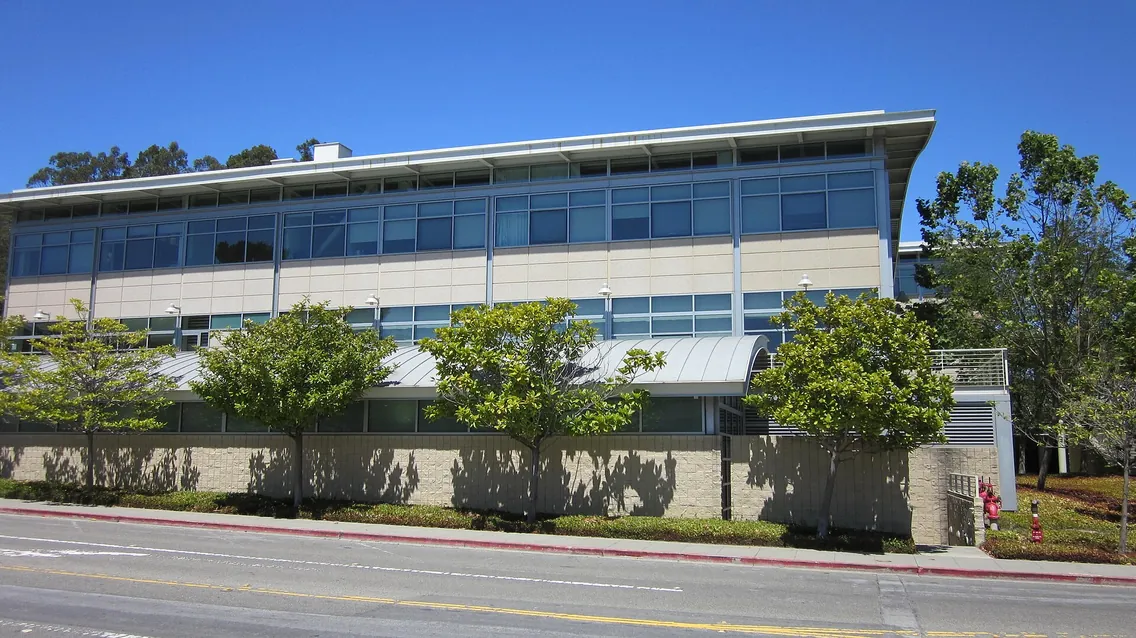
On October 9, 2006, Google announced that it would buy YouTube for $1.65 billion in stock. It was Google’s largest acquisition so far. YouTube had about 65 employees. It would keep its brand and stay in its own offices in San Bruno.
Google’s chief executive, Eric Schmidt, said YouTube was the clear winner in social video. Google paid entirely in shares, its counsel said, so that the deal would be tax-free for YouTube’s shareholders. That decision would turn out to be very good for the sellers.
On the same day, YouTube announced licensing deals with Universal Music Group, Sony BMG and the CBS television network. The timing was not an accident. Each deal took some of the legal risk out of what Google was buying.
Many people thought Google had overpaid. The investor Mark Cuban wrote on his blog that he still thought Google was crazy. YouTube was a website that lost money and was about to be sued.
Who got what
Because Google paid in stock, the founders became shareholders in one of the fastest-rising companies in the world. A Google filing in February 2007 put numbers on it. Hurley had received Google shares worth about $345 million at the price that day, Chen about $326 million and Karim, who had left to study, about $65 million. Sequoia Capital, which had put in about $11.5 million, held shares worth about $442 million.
The lawsuit arrived in March 2007. Viacom, the owner of MTV, Comedy Central and Paramount, sued Google and YouTube for $1 billion, saying the site had built its audience on tens of thousands of stolen clips. YouTube argued that the law protected it as long as it removed infringing videos when asked. A federal judge agreed twice. In 2014 the two companies settled without disclosing any terms. By then YouTube had built a system, Content ID, that let rights owners find their material and either remove it or take a share of the advertising money it earned.

The business
That system was the key to the business Google built. Instead of fighting the studios and record companies, YouTube paid them. Advertising appeared before and beside videos, and the owners of the content took a share. Creators who uploaded their own videos got a share too, and a new profession, the YouTuber, was born.
The founders moved on. Hurley stepped down as chief executive in 2010. In 2014 Google put Susan Wojcicki in charge, the executive who in 1998 had rented her Menlo Park garage to Larry Page and Sergey Brin as Google’s first office. She ran YouTube until 2023, through the years when it became a television network, a music service and a search engine for how-to videos all at once.
For years Google did not say how much YouTube earned. When it finally did, the numbers were huge. In 2025, according to figures reported by MediaPost, YouTube’s revenue from advertising and subscriptions passed $60 billion. That is more than Netflix took in that year, and more than 36 times what Google paid for the site.
What the record shows
- Buy the winner, not the idea. Google already had a video site. It paid for the one people were using.
- Distribution beats features. YouTube spread because anyone could embed its videos anywhere.
- Problems can be priced. YouTube’s copyright troubles were real, and they were solved with licensing, technology and time.
- Stock can be the better payment. The founders’ Google shares were worth far more in later years than the headline price.
Facebook later followed Google’s playbook with Instagram for $1 billion and WhatsApp for $19 billion. And for the company that once had the chance to buy Google itself, read how Yahoo turned down Google for $1 million.
 $27.7BRead nextStewart Butterfield's Two Failed Games Became Flickr and SlackStewart Butterfield set out twice to build an online game. Both failed. The first left behind Flickr, which sold to Yahoo. The second left behind Slack, which Salesforce bought for $27.7 billion.Slack · 6 min read
Questions readers ask
- How much did Google pay for YouTube?
- $1.65 billion in Google stock. The deal was announced in October 2006, about 20 months after YouTube was founded.
- Who founded YouTube?
- Chad Hurley, Steve Chen and Jawed Karim, three former PayPal employees, started YouTube in 2005.
- How much money does YouTube make now?
- In 2025 YouTube's revenue from advertising and subscriptions passed $60 billion, Alphabet said in February 2026. It was the first time the company had disclosed a full-year total for YouTube.
- How much did the YouTube founders make from the sale?
- Google paid in stock. A February 2007 filing showed Chad Hurley received shares worth about $345 million, Steve Chen about $326 million and Jawed Karim about $65 million at the price then. Sequoia Capital, which had invested about $11.5 million, received shares worth about $442 million.
- Why did Google pay in stock for YouTube?
- Google said an all-stock deal let YouTube's shareholders avoid an immediate tax bill. It also meant the sellers shared in Google's future, whose shares rose sharply afterward.
Run the numbers yourself
- Profit Margin CalculatorTurn cost and price into profit, margin and markup, or find the price that hits a target margin.
- Business Valuation CalculatorEstimate what a business could be worth with earnings multiples, a revenue multiple and a DCF.
- ROI CalculatorMeasure return on investment and the annualized return, and compare two investments side by side.
People and companies in this story
People
- Chad Hurley
- Steve Chen
- Jawed Karim
- Eric Schmidt
Companies
- YouTube
- Google5 stories
- Alphabet2 stories
- Viacom
- Netflix2 stories
This story is on these lists
Share this story
Send the link to someone who would like this story, or keep it for later.
The timeline
Drawn to scale: the gaps are the years in between. Choose a year.
Sources & further reading 8
- Google to acquire YouTube for $1.65 billion in stock (Exhibit 99.1)Google, U.S. Securities and Exchange Commission, October 2006
- Google purchases YouTube for $1.65BeWeek, October 2006
- Google nets YouTube in $1.65bn takeoverThe Guardian via Mail & Guardian, October 2006
- YouTube founders got millions from GoogleCBS News, February 2007
- YouTube founders: U.S. government regs force us to brageWeek, February 2007
- Viacom settles $1B copyright suit against Google over YouTube videosBloomberg via Insurance Journal, March 2014
- YouTube revenue topped $60B in 2025, ad spend rose 9%MediaPost, February 2026
- Alphabet annual revenue surpasses $400 billion for the first timeTheWrap, February 2026
Spot an error? Send a correction. Corrections are dated and noted here.
Photographs are credited under each picture; licenses are listed on the image credits page.