Microsoft
How Microsoft Bought DOS for $75,000
In 1980 IBM needed an operating system for its first PC. Microsoft didn't have one, so it bought one from a small Seattle company for a total of $75,000. In fiscal 2026 Microsoft had revenue of $331.8 billion.
- Paid for DOS
- $75,000Paid for DOS. What Microsoft paid Seattle Computer Products in total: $25,000 for a license in December 1980 and $50,000 for all rights in July 1981.
- Revenue, FY2026
- $331.8BRevenue, FY2026. Microsoft's revenue for its fiscal year ended June 30, 2026.
In this story · 6 chapters
The short answer
Microsoft paid Seattle Computer Products a total of $75,000 for its operating system, 86-DOS, also called QDOS: $25,000 for a license in December 1980, then $50,000 for all rights in July 1981. It renamed it MS-DOS and licensed it to IBM on non-exclusive terms, leaving Microsoft free to sell it to every clone maker.
In the summer of 1980 a team from IBM came to see a small software company in Bellevue, Washington. IBM, the biggest computer company in the world, was building something new: a personal computer. It had to be finished in about a year, and to move that fast IBM had decided to buy parts from outside suppliers instead of making everything itself.
The company it came to see was Microsoft, run by Bill Gates, then 24, and Paul Allen. IBM wanted Microsoft’s BASIC programming language. Then it asked about something else Microsoft did not have: an operating system, the basic software that runs a computer.
Within a year Microsoft had one. It cost $75,000. It became the foundation of one of the most valuable companies in history.
The system Microsoft didn’t have
The obvious choice was CP/M, written by Gary Kildall and sold by his company, Digital Research, in Pacific Grove, California. It was the standard operating system on small business computers. In August 1980 IBM visited Digital Research, by some accounts at Gates’s suggestion. The two did not reach a deal. Accounts of why differ: some blame Kildall’s absence on the day, others IBM’s tough terms or Digital Research’s other commitments. Whatever the reason, IBM came back to Microsoft.
Paul Allen knew of another option, close to home. Seattle Computer Products, a small hardware company owned by Rod Brock, had been waiting for Digital Research to finish a version of CP/M for the new Intel 8086 chip. Tired of waiting, in April 1980 it had asked a young programmer, Tim Paterson, to write a substitute. Paterson called it QDOS, for Quick and Dirty Operating System. It was ready that summer and was soon renamed 86-DOS.
How Microsoft bought DOS
In December 1980 Microsoft bought a non-exclusive license to 86-DOS for $25,000. It told Brock that it had a customer for the system but did not say who it was. Brock was happy to have the money; his business was hardware, and the software was meant to help sell it.
In May 1981 Microsoft hired Paterson himself. For the next months he worked on turning his system into the version IBM needed, in close contact with IBM’s engineers in Boca Raton, Florida. Gates and Allen had come to understand how big the opportunity could be. If other companies began making computers compatible with IBM’s, they would all need the same operating system, and Microsoft wanted to own it outright.
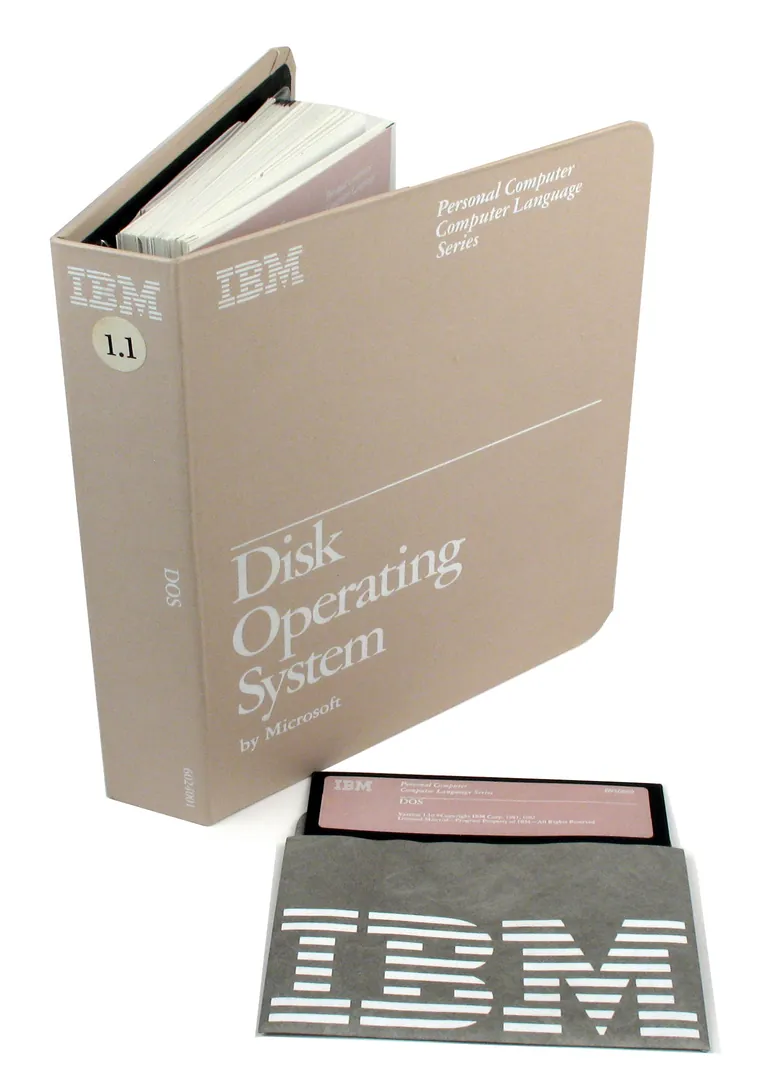
On July 27, 1981, Microsoft paid Seattle Computer Products another $50,000 for all rights to the system. It renamed it MS-DOS. SCP kept the right to keep selling the system with its own hardware. The total price was $75,000.
The clause that mattered
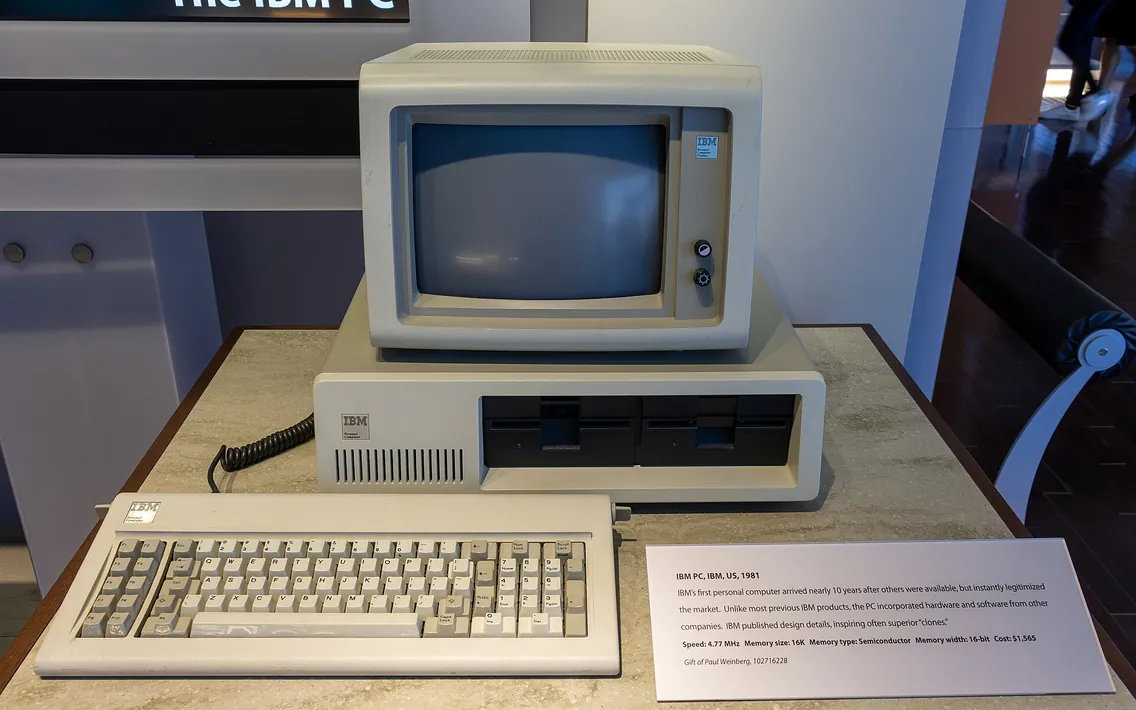
Two weeks later, on August 12, 1981, IBM announced its Personal Computer at a press event in New York. The cheapest model cost $1,565. The operating system, sold by IBM as PC DOS, cost $40. CP/M-86 and another system were also offered later, at much higher prices, and few people bought them.
The most important part of the deal was not the price. It was a term in Microsoft’s license with IBM. Allen later wrote that he and Gates were willing to give up per-copy royalties from IBM if they could license DOS freely to other manufacturers, the same strategy they had used for BASIC. IBM, already entangled in antitrust litigation, accepted. The license was non-exclusive.
That one decision decided who would profit from the personal computer. IBM’s machine was built from parts anyone could buy, and soon companies such as Compaq were making compatible “clone” computers that could run the same software. Every one of them needed an operating system that worked like IBM’s. Microsoft sold it to them, as MS-DOS. Each new clone was another customer.
The lawsuit
Rod Brock later learned who Microsoft’s mystery customer had been. Seattle Computer Products sued, arguing that Microsoft had concealed the IBM deal to buy the system cheaply. The case went to trial in 1986, the year Microsoft went public. While the jury was deliberating, the two companies settled. Microsoft paid $925,000, and SCP gave up its license, leaving Microsoft as the only owner of DOS.
Kildall, for his part, believed to the end of his life that DOS had been copied from CP/M. He confronted IBM and Microsoft but did not sue. Paterson always rejected the claim, and later reviews of the code found no evidence of copying.
From DOS to Windows
MS-DOS was the platform on which Microsoft built everything that followed. Windows began as a program that ran on top of it. The money from licensing DOS to every PC maker paid for Office, for Windows NT and, much later, for Microsoft’s cloud business. Paterson worked at Microsoft on and off for years and also started companies of his own.
For its fiscal year ended June 30, 2026, Microsoft reported revenue of $331.8 billion. The company that bought an operating system for $75,000 now takes in that much in less than ten seconds.
What the record shows
- The license terms can matter more than the price. Microsoft gave up royalties from IBM to keep the right to sell to everyone else.
- Buy what you need when you can’t build it in time. Microsoft did not write DOS; it bought it, then improved it.
- Know what you are selling. Seattle Computer Products sold a $75,000 piece of software without knowing who the buyer was.
- Platforms win. Every clone maker needed the same operating system, and Microsoft owned it.
Microsoft’s oldest rival came close to collapse in 1997, and Microsoft helped rescue it: read how Apple took $150 million from Microsoft. Yahoo, which turned down a Microsoft offer for $44.6 billion, made its own famous mistake when it passed on buying Google for $1 million. And for another programmer who wrote something valuable and sold it cheaply, see Ronald Wayne, who sold his 10% of Apple for $800.
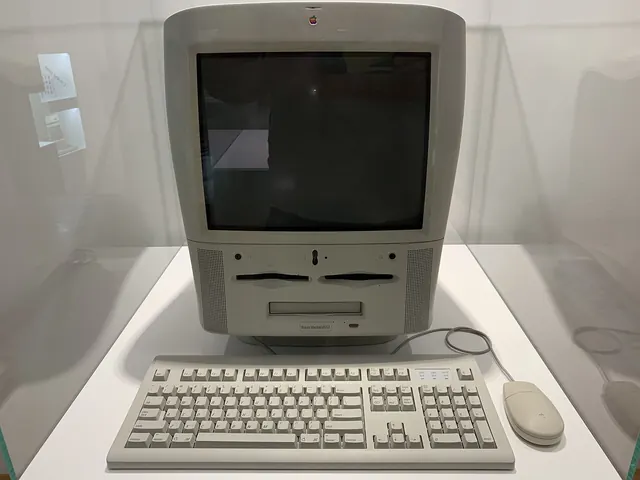 90 daysRead nextApple in 1997: About 90 Days From Running Out of CashIn 1997 Apple lost $1.04 billion and, by Steve Jobs's account, was about 90 days from running out of money. Its rescue included $150 million from its oldest rival.Apple · 5 min read
Questions readers ask
- How much did Microsoft pay for DOS?
- A total of $75,000. Microsoft bought a non-exclusive license to 86-DOS, also called QDOS, from Seattle Computer Products for $25,000 in December 1980, then bought all rights for $50,000 in July 1981.
- Who wrote the original DOS?
- Tim Paterson, a 24-year-old programmer at Seattle Computer Products. The first version appeared in July 1980.
- Was there a lawsuit over DOS?
- Yes. Seattle Computer Products later claimed Microsoft had hidden its deal with IBM to buy the system cheaply. In 1986, while the jury was deliberating, the two settled: Microsoft paid $925,000 and SCP gave up its own license to DOS.
- Why didn't IBM use CP/M?
- IBM visited Digital Research, the maker of CP/M, in August 1980, but the two did not reach a deal in time. Accounts of what went wrong differ. When CP/M-86 later appeared as an IBM option, it cost about six times as much as PC DOS.
- What was the key term in Microsoft's deal with IBM?
- The license was non-exclusive. IBM paid for the software but did not stop Microsoft from licensing the same system, as MS-DOS, to every other computer maker. When IBM-compatible clones arrived, each one needed MS-DOS.
Run the numbers yourself
- Compound Interest CalculatorSee how a deposit grows with compounding, extra contributions and different compounding frequencies.
- Budget CalculatorPlan a monthly budget, see what is left over and compare it with the 50/30/20 rule.
- Emergency Fund CalculatorSize an emergency fund from essential expenses and see how long it will take to build it.
People and companies in this story
People
- Tim Paterson
- Rod Brock
- Bill Gates2 stories
- Paul Allen
- Gary Kildall
Companies
- Microsoft5 stories
- Seattle Computer Products
- IBM3 stories
This story is on these lists
Share this story
Send the link to someone who would like this story, or keep it for later.
The timeline
Drawn to scale: the gaps are the years in between. Choose a year.
Sources & further reading 7
- Microsoft MS-DOS early source code (the story of QDOS and PC DOS)Computer History Museum
- MS-DOS is 30 years old todayThe Register, July 2011
- The IBM PC, part 3 (licensing, pricing and CP/M)The Digital Antiquarian
- Seattle Computer Products (with InfoWorld's 1991 account of the 1986 settlement)Herb Johnson's Retrotechnology
- Seattle Computer Products historyS100 Computers
- When the IBM PC came to townNemanja Trifunovic
- Microsoft Cloud and AI Strength Fuels Fourth Quarter ResultsMicrosoft, July 2026
Spot an error? Send a correction. Corrections are dated and noted here.
Photographs are credited under each picture; licenses are listed on the image credits page.