Blockbuster
Blockbuster Could Have Bought Netflix for $50 Million
In early 2000 Netflix's founders flew to Dallas and offered to sell their company to Blockbuster for $50 million. Blockbuster said no. Ten years later Blockbuster was bankrupt.
- Netflix's asking price
- $50MNetflix's asking price. The price Netflix's founders named when Blockbuster's CEO asked what it would cost to buy Netflix in early 2000.
- Netflix revenue, 2025
- $45.2BNetflix revenue, 2025. Netflix's revenue for 2025, as reported in its annual results.
In this story · 7 chapters
The short answer
In early 2000 Netflix's founders, Reed Hastings and Marc Randolph, offered to sell their company to Blockbuster for $50 million. Blockbuster's chief executive, John Antioco, declined: Netflix was small and losing money. Blockbuster filed for bankruptcy in September 2010. Netflix reported revenue of $45.18 billion for 2025.
Early in 2000, two founders of a small online company walked into a meeting room on the 27th floor of the Renaissance Tower in Dallas. Reed Hastings and Marc Randolph ran Netflix, which rented DVDs through the post. Across the table sat John Antioco, chief executive of Blockbuster, the largest video rental chain in the world.
Hastings later wrote that he whispered to Randolph on the way in that Blockbuster was a thousand times their size. It was, at the very least, enormous: about $5 billion a year in revenue against Netflix’s tens of millions, by Hastings’s own comparison.
They had come to sell. They left with nothing, and the meeting became one of the most retold missed deals in business. What happened over the next ten years is less well known, and more interesting: Blockbuster very nearly won anyway.
Two companies, one complaint
The two businesses were built on opposite sides of the same irritation. Hastings has said Netflix began after he was charged $40 in late fees for a film he had returned weeks late. Blockbuster, for its part, depended on those fees. CNBC reported that the chain collected about $800 million in late fees in 2000, at a time when late returns cost about a dollar a day.
The fees were not greed for its own sake. They came out of how video rental worked. As Antioco later explained in the Harvard Business Review, Blockbuster used to buy each tape from the studios at a high price and had to rent it about 30 times just to earn that money back. Every day a hit film sat in someone’s living room was a day it was not earning.
Netflix offered a different deal: a flat monthly price, DVDs by mail, and no late fees at all. In 2000 it was still small. It had about 300,000 subscribers and 100 employees, and by Hastings’s account it was on course to lose $57 million that year.
The pitch
It had taken months to get Antioco to take the meeting. The proposal, when it came, was simple. Blockbuster would buy Netflix. Netflix would run Blockbuster’s online business, while Blockbuster’s thousands of stores promoted it.
Antioco listened and asked the obvious question: how much? Hastings answered: $50 million.
Antioco declined. Netflix’s former finance chief, Barry McCarthy, who was in the room, later said Blockbuster essentially laughed them out of the office. Randolph wrote that he could see Antioco struggling not to laugh.

Why it made sense to say no
At the time, the refusal was not crazy. The dot-com bubble was bursting, and investors were punishing internet companies that lost money. Netflix depended on the post office and on a new disc format that most homes did not yet own. It would take more than six years to post its first profit, according to CNBC.
Blockbuster, meanwhile, was at the height of its power. At its peak it ran about 9,000 locations and took in about $6 billion a year. Antioco had already fixed the tape problem by persuading the studios to share rental revenue instead of charging a high price up front. Revenue nearly doubled within five years of his arrival in 1997, he wrote. From Dallas, Netflix looked like a niche service for film buffs.
What Blockbuster missed was the direction of travel. Netflix reached a million subscribers within three years of the Dallas meeting, and six million by the end of 2006.
The counterattack that worked
Blockbuster did fight back, and for a while it fought well. In 2004 it launched its own online rental service and signed up more than a million subscribers in under a year, CNBC reported. Antioco wanted to go further. He set aside about $200 million to build the online business and, in a move he said cost another $200 million, dropped the late fees that customers hated.
In 2006 came the best idea Blockbuster had in the whole fight. Blockbuster Total Access let mail subscribers return their DVDs to any store and walk out with a new film on the spot. Netflix could not match it. In 2007 Netflix lost about 55,000 subscribers in a single quarter. Randolph has said Blockbuster came close to winning.
There was a catch. Every in-store exchange cost Blockbuster about $2, by CNBC’s account, and the company was carrying about $1 billion of debt. The more customers loved Total Access, the more money it lost.
The shareholder in the boardroom
The man who decided what happened next was not Hastings. In early 2005 the activist investor Carl Icahn told Antioco he had bought nearly 10 million Blockbuster shares, making him the largest shareholder. Icahn won a proxy fight, took board seats, and challenged almost everything: the online spending, the end of late fees, and finally Antioco’s own bonus.
Antioco wrote that the board wanted him to bring late fees back, which he called a recipe for disaster. The quarrel over his pay ended with his departure in 2007. He was replaced by Jim Keyes, a former chief executive of 7-Eleven, who pulled back from Total Access and refocused on the stores. In the same year Netflix began streaming films over the internet.
Icahn later called Blockbuster the worst investment he had ever made. He also wrote that Total Access might, over time, have helped Blockbuster hold off Netflix. According to CNBC, Antioco sold his Blockbuster shares after he left and bought Netflix stock.

The end of the stores
On September 23, 2010, Blockbuster filed for Chapter 11 bankruptcy in New York. It listed about $1 billion of assets against $1.46 billion of debt and was down to about 3,000 American stores, having already closed a third of them.
In April 2011 DISH Network, the satellite television company, won Blockbuster’s assets at a bankruptcy auction. Its bid was valued at about $320 million, and after adjustments DISH paid about $226 million in cash, according to its filings. The 1,700 remaining stores closed over the following years. By 2023 just one was left, in Bend, Oregon, Randolph noted.
Netflix reported revenue of $45.18 billion for 2025. The company Blockbuster could have bought for $50 million now earns roughly that much every ten hours.
What the record shows
- Buy the threat while it’s cheap. For Blockbuster, $50 million was small change in 2000. It would never be that cheap again.
- Being right about the market isn’t enough. Antioco was right that the dot-com boom was overblown, and still wrong about Netflix.
- Customers remember what you charge them for. Late fees made money and created a rival with a better offer.
- A comeback needs owners who will pay for it. Total Access was working, but it lost money on every swap, and the board stopped it.
Google made the opposite call on online video and bought YouTube for $1.65 billion. Yahoo turned down a far smaller price for something bigger: in 1998 it passed on buying Google for $1 million. And for a giant that invented its own replacement and still lost to it, read about Kodak and the digital camera.
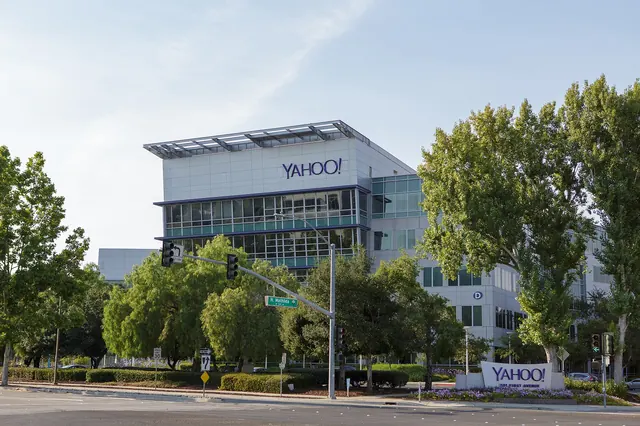 $1MRead nextYahoo Could Have Bought Google for $1 MillionIn 1998 Google's founders reportedly offered their search technology to Yahoo for $1 million. Yahoo declined. In 2017 Yahoo's core business sold for $4.48 billion. In 2025 Google's parent took in $402.8 billion.Yahoo · 5 min read
Questions readers ask
- Did Blockbuster really have the chance to buy Netflix?
- Yes. In early 2000 Reed Hastings and Marc Randolph met Blockbuster's CEO, John Antioco, in Dallas and offered to sell Netflix for $50 million, with Netflix running Blockbuster's online business. Hastings has described the meeting in his own book; Antioco declined.
- Why did Blockbuster say no to Netflix?
- Netflix was small and losing money; Hastings has said it was on course to lose $57 million that year. Antioco saw it as a niche business, and Blockbuster was vastly larger.
- How much money did Blockbuster make from late fees?
- About $800 million in 2000, according to figures reported by CNBC. Antioco later dropped late fees, a move he said cost about $200 million.
- Who bought Blockbuster?
- DISH Network won Blockbuster's assets at a bankruptcy auction in April 2011 with a bid valued at about $320 million. After adjustments it paid about $226 million in cash.
- What happened to Blockbuster?
- It filed for bankruptcy in 2010. From a peak of about 9,000 stores, one remained by 2023, in Bend, Oregon.
Run the numbers yourself
- S&P 500 CalculatorSee what money invested in the S&P 500 grew to in any period since 1928, with dividends and inflation.
- Compound Interest CalculatorSee how a deposit grows with compounding, extra contributions and different compounding frequencies.
- Budget CalculatorPlan a monthly budget, see what is left over and compare it with the 50/30/20 rule.
People and companies in this story
People
- Reed Hastings
- Marc Randolph
- John Antioco
- Barry McCarthy
- Carl Icahn2 stories
- Jim Keyes
Companies
- Netflix2 stories
- Blockbuster
- DISH Network
This story is on these lists
Share this story
Send the link to someone who would like this story, or keep it for later.
The timeline
Drawn to scale: the gaps are the years in between. Choose a year.
Sources & further reading 8
- How I Did It: Blockbuster's Former CEO on Sparring with an Activist ShareholderJohn Antioco, Harvard Business Review, April 2011
- What Happened to Blockbuster?: The Story Between John Antioco and Carl Icahn Unfolds in Harvard Business ReviewHarvard Business Review via Business Wire, March 2011
- CEO Reed Hastings on how Netflix beat Blockbuster (excerpt from No Rules Rules)Marketplace, September 2020
- Netflix didn't kill Blockbuster: how Netflix almost lost the movie rental warsCNBC via NBC San Diego
- Blockbuster 'laughed us out of the room,' recalls Netflix cofounderFortune, April 2023
- Blockbuster files for bankruptcyCNNMoney, September 2010
- DISH Network agrees to acquire Blockbuster assets (Form 8-K, Exhibit 99.1)DISH Network, U.S. Securities and Exchange Commission, April 2011
- YouTube revenue topped $60B in 2025 (with Netflix 2025 revenue)MediaPost, February 2026
Spot an error? Send a correction. Corrections are dated and noted here.
Photographs are credited under each picture; licenses are listed on the image credits page.