Pixar
Steve Jobs Paid $10 Million for Pixar. Disney Paid $7.4 Billion.
In 1986 Steve Jobs paid $10 million for a computer graphics group George Lucas wanted to sell. It lost money for nine years. In 2006 Disney bought it for $7.4 billion.
- Jobs paid, 1986
- $10MJobs paid, 1986. What Steve Jobs put into Pixar in February 1986: $5 million to George Lucas, and $5 million as capital for the new company.
- Disney paid, 2006
- $7.4BDisney paid, 2006. The value of Disney's all-stock acquisition of Pixar, agreed in January 2006 and completed in May.
In this story · 6 chapters
The short answer
Steve Jobs paid $10 million for Pixar in February 1986: $5 million to George Lucas and $5 million as capital for the new company. Pixar lost money for nine years. In 2006 Disney bought it in an all-stock deal valued at $7.4 billion, or $6.3 billion after Pixar's own cash.
In 1985 Steve Jobs was pushed out of Apple, the company he had cofounded. Within months he had started a new computer company, NeXT, and told anyone who would listen that it would be his comeback. Then he made a second, smaller bet that almost nobody noticed.
George Lucas, the director of Star Wars, wanted to sell the computer division inside his company, Lucasfilm. It was a team of brilliant engineers and animators, led by Ed Catmull, that built specialized hardware and software for making images. Lucas needed cash and had hoped for far more than he got. According to The Wall Street Journal, he first asked about $30 million. Jobs talked him down.
On February 3, 1986, Jobs paid Lucas $5 million and put another $5 million into the new company as capital. He became its chairman and controlling owner. The company was called Pixar.
A computer nobody bought
Jobs believed he had bought a hardware company. Pixar’s main product was the Pixar Image Computer, a powerful machine meant for hospitals, government agencies, scientists and film studios. It cost $135,000, and it needed a separate $35,000 workstation to run it.
It sold badly. Fewer than 300 were ever made and sold. In 1990 Pixar gave up and sold its hardware business to a company called Vicom Systems for $2 million. Vicom went bankrupt within a year.
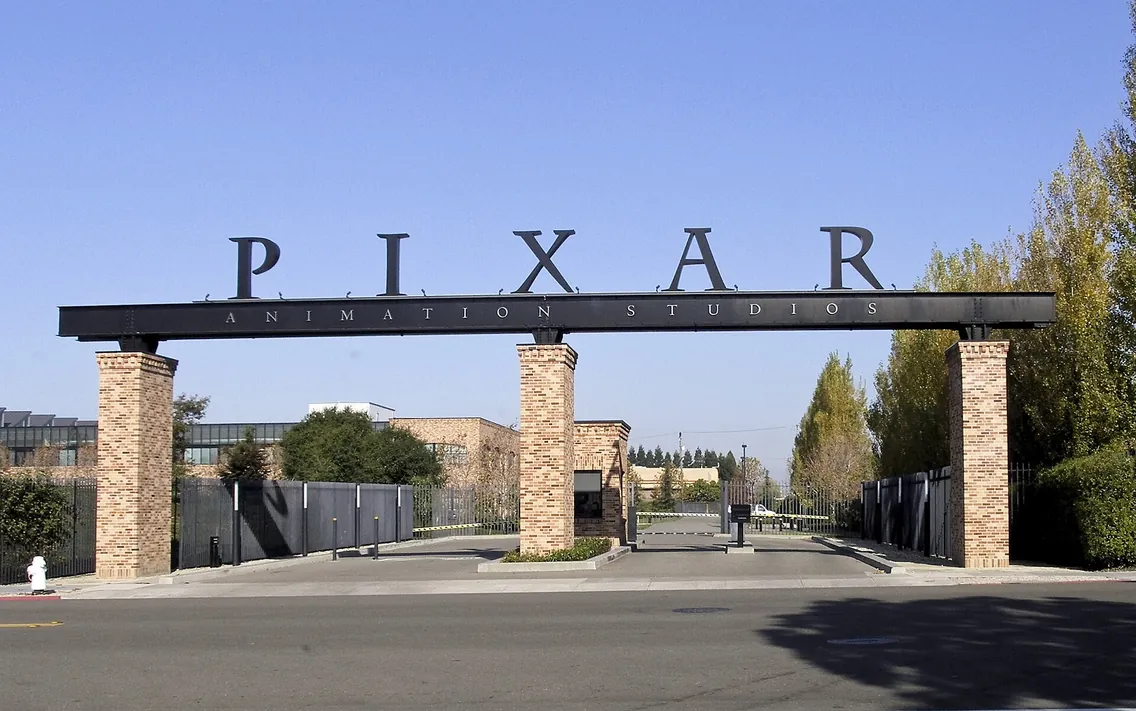
What remained was a strange little business. Pixar sold RenderMan, rendering software prized by special-effects houses. It made television commercials. And it had a tiny animation group, led by a former Disney animator named John Lasseter, that made short films to show off what the technology could do. The shorts won praise. Tin Toy won an Academy Award in 1989. They earned almost nothing.
Paying the wages himself
Year after year, Pixar lost money, and year after year Jobs covered the losses. Each time he did, he took a bigger share of the company. By the mid-1990s he had put in about $50 million.
Lawrence Levy, who joined Pixar as chief financial officer in late 1994, later described what he found. The company had no real business, no profits and no money. Jobs was covering the payroll with personal checks, and Pixar had accumulated losses of about $50 million. Levy told the Computer History Museum that the outlook was grim.
There was one way out. In 1991 Disney had agreed to pay Pixar to make a full-length film, made entirely on computers. Nobody had done it before. Levy later called the contract crippling: Disney would take most of the money if the film worked. But it gave Pixar a chance to make something people would pay to see.
A film and a stock in the same week
The film was Toy Story. It opened on November 22, 1995, and became the highest-grossing film of the year in the United States. Its first run took more than $350 million worldwide.
Jobs had planned for this moment. He wanted Pixar to go public, but the two most prestigious banks on Wall Street, Goldman Sachs and Morgan Stanley, would not underwrite the offering. They did not see a company with growth. Levy took the deal to smaller firms, including Robertson Stephens and Hambrecht & Quist. On the roadshow, investors in New York were invited to watch Toy Story in a rented theater with their families, with free candy on the seats.
On November 29, a week after the film opened, Pixar sold shares to the public at $22 each. On its first day on the Nasdaq the stock went as high as $49.50 and closed at $39, valuing the company at about $1.46 billion. Jobs owned about 80% of it. His stake was worth more than $1 billion. Pixar, not Apple, had made him a billionaire.
Rewriting the deal
Success changed Pixar’s position. Disney needed hits, and Pixar had just delivered the biggest one of the year. In 1997 the two companies signed a new agreement for five more films, on terms far better for Pixar: it would share the costs and the profits as a partner, not work as a hired studio.
Then came the run that made Pixar’s name: A Bug’s Life, Toy Story 2, Monsters, Inc., Finding Nemo and The Incredibles. Two of them won the Academy Award for best animated feature. Disney’s own animation studio, meanwhile, struggled.
The partnership was not a happy one. Jobs fell out with Disney’s chief executive, Michael Eisner. In 2004 he broke off talks on a new deal and said Pixar would look for another studio. Only after Bob Iger replaced Eisner did the conversation start again.
Disney buys Pixar for $7.4 billion
On January 24, 2006, Disney agreed to buy Pixar in an all-stock deal. Pixar shareholders received 2.3 Disney shares for each Pixar share. The transaction was valued at $7.4 billion, or $6.3 billion after Pixar’s own cash of just over $1 billion.
Jobs owned about 50.6% of Pixar. His stake, worth roughly $3.7 billion at the deal price, became about 7% of Disney. It made him Disney’s largest individual shareholder, and he joined its board. Catmull became president of the combined Pixar and Disney animation studios, and Lasseter became their chief creative officer. The company that had bought Pixar’s films now handed its own animation to Pixar’s leaders.
By then Jobs was back running Apple, which had bought NeXT in 1997. The side bet he made after losing Apple turned out to be worth far more than the company he had meant to be his comeback.
What the record shows
- Look past the failing product. Pixar’s computers didn’t sell. The people who built them, and the films they made, were the real value.
- Patient money changes outcomes. Few investors would have funded Pixar’s losses for nine years. Jobs did.
- The demo can become the business. Pixar made films to sell machines, then discovered the films were what people wanted.
- A hit rewrites the contract. The deal Pixar signed when it was desperate was not the deal it kept once it was successful.
Jobs went back to Apple in 1997, when it was about 90 days from running out of cash. Apple’s forgotten third founder made the opposite call to Jobs and sold his 10% for $800. And three years after Pixar, Disney paid $4 billion for another creative company that had once been broke: Marvel.
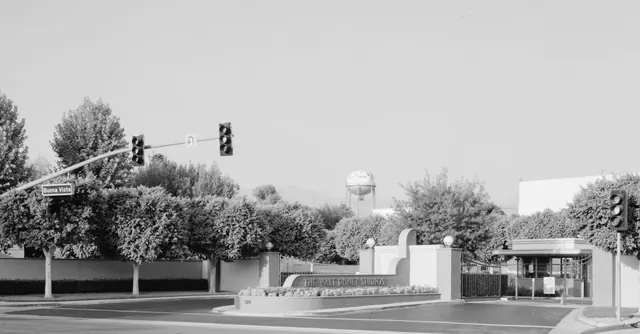 $4BRead nextMarvel Went Bankrupt in 1996. Disney Paid $4 Billion in 2009.In December 1996 the company that owned Spider-Man and the X-Men filed for bankruptcy. Thirteen years later Disney paid $4 billion for it.Marvel · 5 min read
Questions readers ask
- How much did Steve Jobs pay for Pixar?
- In February 1986 Jobs paid George Lucas $5 million and put $5 million into the new company as capital. Over the following years he covered Pixar's losses himself, putting in about $50 million in total.
- Why did George Lucas sell Pixar?
- Lucasfilm needed cash and wanted to sell its computer division. The Register, citing The Wall Street Journal, reported that Lucas first wanted about $30 million and that Jobs talked the price down to $10 million.
- How much did Disney pay for Pixar?
- About $7.4 billion in Disney stock, or $6.3 billion net of Pixar's cash. The deal was agreed on January 24, 2006, and completed in May 2006.
- How much of Disney did Steve Jobs own?
- About 7% after the Pixar deal. He had owned about 50.6% of Pixar, a stake worth roughly $3.7 billion at the deal price, and it made him Disney's largest individual shareholder.
- Did Pixar make Steve Jobs a billionaire?
- Yes. On the day of Pixar's stock market debut in November 1995, his stake of about 80% was worth more than $1 billion, before his return to Apple.
Run the numbers yourself
- ROI CalculatorMeasure return on investment and the annualized return, and compare two investments side by side.
- Net Worth CalculatorAdd up what you own and owe, then compare your net worth with U.S. households your age.
- Compound Interest CalculatorSee how a deposit grows with compounding, extra contributions and different compounding frequencies.
People and companies in this story
People
- Steve Jobs4 stories
- George Lucas
- Ed Catmull
- John Lasseter
- Lawrence Levy
- Bob Iger2 stories
Companies
- Pixar
- Lucasfilm
- The Walt Disney Company4 stories
- Vicom Systems
This story is on these lists
Share this story
Send the link to someone who would like this story, or keep it for later.
The timeline
Drawn to scale: the gaps are the years in between. Choose a year.
Sources & further reading 6
- Disney to acquire Pixar (joint press release, Exhibit 99.1)The Walt Disney Company and Pixar, U.S. Securities and Exchange Commission, January 2006
- Disney to acquire PixarAssociated Press via Al Jazeera, January 2006
- Pixar stock surges from $22 to $39Associated Press via The Spokesman-Review, November 1995
- Pixar goes public, soarsUPI, November 1995
- Pixar's True StoryComputer History Museum
- The life and times of Steven Paul Jobs, Part OneThe Register, October 2011
Spot an error? Send a correction. Corrections are dated and noted here.
Photographs are credited under each picture; licenses are listed on the image credits page.