Coca-Cola
How Asa Candler Bought Coca-Cola for About $2,300
An Atlanta businessman pieced together the rights to a struggling soda for about $2,300. In 1919 his family sold the company for $25 million.
- Rights cost
- $2,300Rights cost. The total cost, by The Coca-Cola Company's own account, of the sole ownership Asa Candler assembled between 1888 and 1891.
- Sold for, 1919
- $25MSold for, 1919. The price at which Candler's family sold The Coca-Cola Company to a group led by Ernest Woodruff in 1919.
In this story · 5 chapters
The short answer
Asa Candler, an Atlanta businessman, bought the rights to Coca-Cola in pieces between 1888 and 1891. The Coca-Cola Company puts his total cost at $2,300. He built the drink into a national brand, and in 1919 his children sold the company to a group of investors led by Ernest Woodruff for $25 million.
In May 1886 an Atlanta pharmacist named John Pemberton stirred up a caramel-colored syrup in a brass kettle in his backyard. He carried it down the street to Jacobs’ Pharmacy, where it was mixed with carbonated water and sold for 5 cents a glass. His bookkeeper and partner, Frank Robinson, suggested the name, because he thought the two Cs would look good in advertising, and wrote it out in the flowing script the company still uses.
It sold slowly. Pemberton was ill and short of money. Within two years he had sold off his invention in pieces, and he died in August 1888 without knowing what it would become.
The man who put the pieces back together paid, by the company’s own account, a total of $2,300.
Buying the pieces
Asa Griggs Candler was a pharmacist too, and a much better businessman. He had come to Atlanta from rural Georgia after the Civil War with very little money and built up a successful wholesale drug business.
The rights to Coca-Cola were a mess. Pemberton had sold two-thirds of them to partners in 1888, then sold his remaining interest. Various druggists and investors held various shares. Pemberton’s son Charles claimed some rights too. Candler set about buying them, one owner at a time. He brought Frank Robinson, the man who knew how to make the syrup, to work for him.
On May 1, 1889, before he had finished, Candler took out a full-page advertisement in The Atlanta Journal announcing his firm as the sole proprietors of Coca-Cola. It was not yet true. He achieved sole ownership in 1891. The total cost was $2,300. Pemberton himself had received $1,750 for his rights, which is why that figure also appears in some accounts.
For that money, Candler had the formula, the name and the beginnings of a business.
Coupons, clocks and calendars
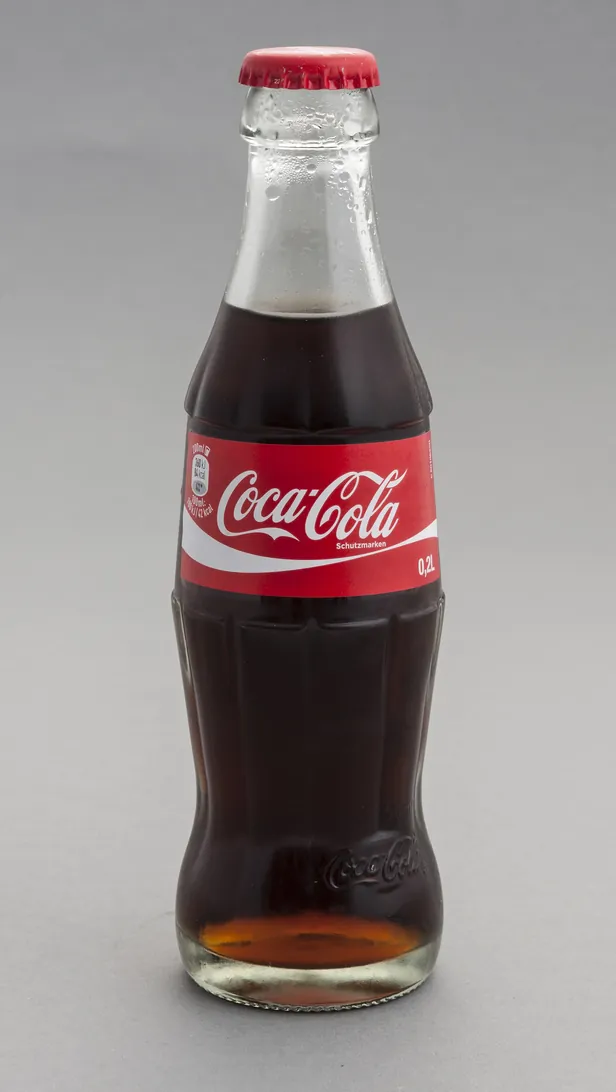
Candler soon sold his drug business and concentrated on Coca-Cola. In 1892, with his brother, Frank Robinson and two other associates, he formed a Georgia corporation called The Coca-Cola Company, with $100,000 of capital. By then his marketing had already increased sales of the syrup nearly tenfold. The trademark was registered with the U.S. Patent Office in January 1893.
His most important idea was the free sample. Candler distributed coupons for a free glass of Coca-Cola, a new tactic at the time, on the theory that anyone who tried it once would pay for it again. He put the name everywhere a customer might look: on clocks, calendars, serving trays, fans, signs painted on the sides of buildings and the urns at soda fountains. He sent salesmen across the country to sign up drugstores.
The spending kept rising. By 1901 the company’s advertising budget had passed $100,000 a year, and by 1911 it passed $1 million. Annual sales of the syrup reached a million gallons. Coca-Cola became one of the first national brands in America.
A contract for one dollar
The most valuable deal Candler ever signed looked like one of his least important. In 1899 two lawyers from Chattanooga, Tennessee, Benjamin Thomas and Joseph Whitehead, came to Atlanta to ask for the right to put Coca-Cola in bottles.
Candler was doubtful. Coca-Cola was a fountain drink. He worried that bottlers would make a poor product and damage the name. The visitors promised to make the name better every day they were in business. On July 21, 1899, he signed a contract giving them the exclusive right to bottle and sell Coca-Cola in almost all of the United States. The price was $1, which, according to the bottlers’ own history, he never bothered to collect.
Thomas and Whitehead could not afford to build bottling plants everywhere themselves, so they sold local bottling rights to businessmen across the country. That network spread Coca-Cola faster than any fountain could. But the contract was permanent and fixed the price at which the company sold syrup to the bottlers. It took a long fight and a new agreement in 1921 to change that.
The $25 million sale
In 1916 Candler retired from the company to run for mayor of Atlanta, and won. Around the same time he handed most of his shares in the company to his family.
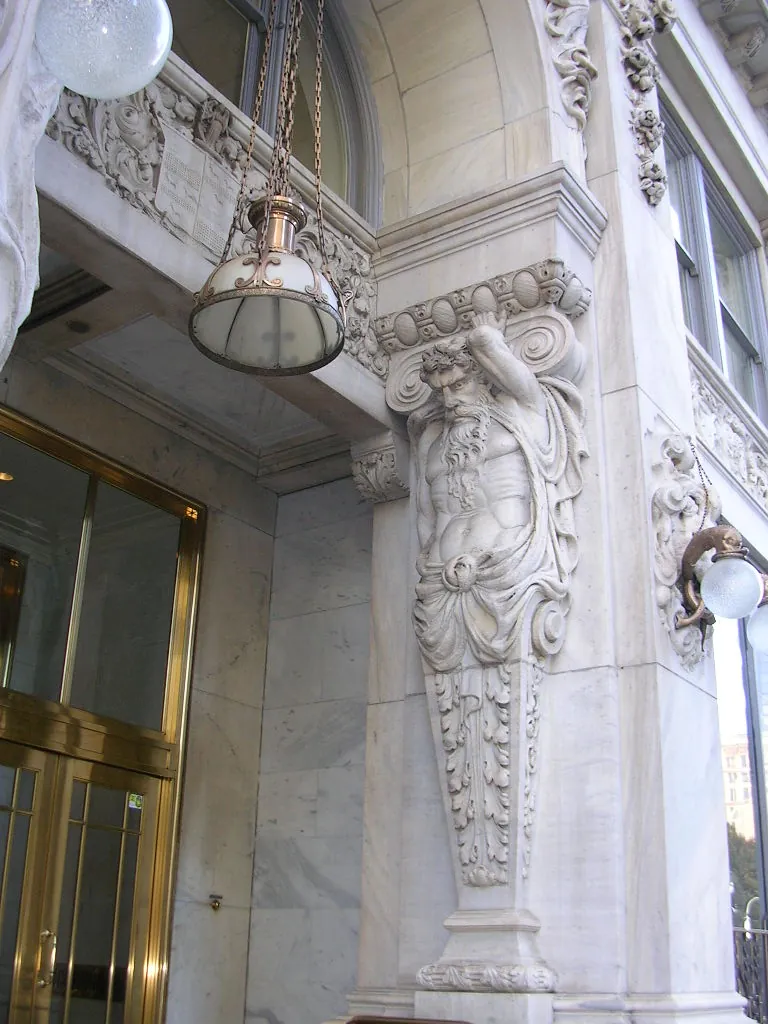
In 1919 the children sold the company, without consulting their father by some accounts, to a group of investors led by the Atlanta banker Ernest Woodruff. The price was $25 million, one of the largest corporate deals in the South up to that time. The new owners reincorporated The Coca-Cola Company and sold 500,000 shares to the public at $40 each. Four years later Woodruff’s son, Robert, became president and ran the company for decades.
Candler’s $2,300 had become $25 million in less than 30 years. And the company kept growing. In 2025 The Coca-Cola Company reported net revenues of $47.9 billion.
What the record shows
- A good product needs an owner who can sell it. Pemberton invented Coca-Cola; Candler built the business.
- Consolidate the rights before you scale. Candler spent three years buying every share before he built the brand.
- Get people to try it. Free coupons made customers out of the curious.
- Small contracts can have huge consequences. A $1 bottling deal built Coca-Cola’s distribution, and tied its hands for years.
Another candy maker of the same era built an empire after two failures: read how Milton Hershey sold his caramel company for $1 million. For a more recent founder who sold a small idea for a fortune, see Instagram’s $1 billion sale. And for another big brand built on a cheap start, read about the $105 check that started KFC.
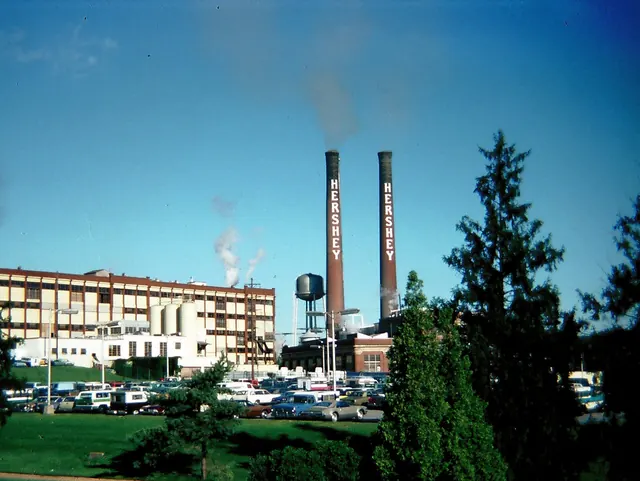 $1MRead nextMilton Hershey Failed Twice, Then Sold Caramel for $1 MillionMilton Hershey's first two candy businesses failed. His third, a caramel company, sold for $1 million in 1900. He spent it on a chocolate factory, a town, and a school that still controls the company.Hershey · 5 min read
Questions readers ask
- How much did Asa Candler pay for Coca-Cola?
- He bought the rights in pieces between 1888 and 1891. The Coca-Cola Company puts the total cost of sole ownership at $2,300. The figure of $1,750 that sometimes appears is what Pemberton received for his rights in 1888, not Candler's total.
- Who invented Coca-Cola?
- John Pemberton, an Atlanta pharmacist, created it in 1886. He sold his interests before he died in 1888.
- How much did Asa Candler sell the bottling rights for?
- $1. On July 21, 1899, he gave two Chattanooga lawyers, Benjamin Thomas and Joseph Whitehead, the exclusive right to bottle and sell Coca-Cola in most of the United States. By the bottlers' own account he never collected the dollar.
- Who bought Coca-Cola from the Candler family?
- In 1919 Candler's children sold the company to a group of investors led by the Atlanta banker Ernest Woodruff for $25 million. The company was reincorporated and 500,000 shares were sold to the public at $40 each.
Run the numbers yourself
- Dividend CalculatorEstimate dividend income, yield and the effect of reinvesting dividends over the years.
- Passive Income CalculatorTurn savings into yearly and monthly income, or find the capital needed for an income target.
- Break-Even Point CalculatorFind the units and sales needed to cover fixed costs, and the volume needed for a profit target.
People and companies in this story
People
- Asa Candler
- John Pemberton
- Frank Robinson
- Benjamin Thomas
- Joseph Whitehead
- Ernest Woodruff
- Robert Woodruff
Companies
- The Coca-Cola Company
This story is on these lists
Share this story
Send the link to someone who would like this story, or keep it for later.
The timeline
Drawn to scale: the gaps are the years in between. Choose a year.
Sources & further reading 9
- The Asa Candler eraThe Coca-Cola Company
- The birth of a refreshing ideaThe Coca-Cola Company
- John PembertonLemelson-MIT Program
- The first glass of Coca-Cola is servedAtlanta Magazine
- A biography of the Boss, Robert Winship Woodruff, part 2: Coca-Cola before WoodruffHistoric Columbus
- Coca-Cola Bottling Company United: history (the 1899 bottling contract)Coca-Cola Bottling Company United
- Significant in Coca-Cola history: the company is sold (The New York Times, August 22, 1919)Rare Newspapers
- Decision to sell Coca-Cola Co. transformed AtlantaFulton Neighbor
- Coca-Cola reports fourth quarter and full year 2025 resultsThe Coca-Cola Company, February 2026
Spot an error? Send a correction. Corrections are dated and noted here.
Photographs are credited under each picture; licenses are listed on the image credits page.