Huy Fong Foods
Sriracha: The Hot Sauce That Never Bought an Ad
David Tran built Sriracha into a business with an estimated $131 million a year in sales without spending a dollar on advertising. Then he fell out with the farmer who grew his peppers, and a jury handed the farmer $23.3 million.
- First bottles
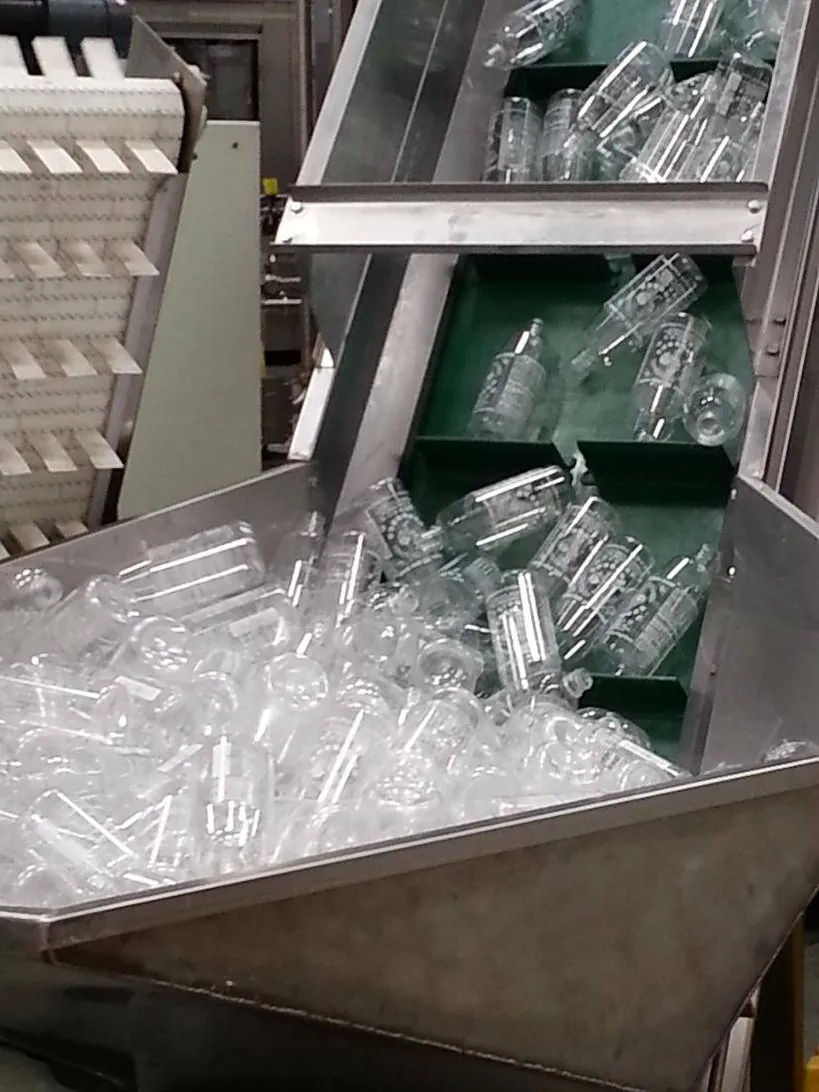
- Baby food jarsFirst bottles. Tran's first chili sauce, sold in Vietnam in 1975, went out in recycled glass jars.
- Sales, 2020
- $131MSales, 2020. Huy Fong Foods' estimated sales in 2020, from the research firm IBISWorld, as reported by Fortune.
In this story · 7 chapters
The short answer
David Tran, a refugee from Vietnam, created Huy Fong's rooster-label sriracha in Los Angeles in 1980 and never paid for advertising. After a 2016 split with his main pepper grower, Underwood Ranches, a jury awarded the farm $23.3 million. Weather and crop problems with new suppliers then caused a shortage that lasted about three years from 2020.
There is no sriracha aisle in an American supermarket, but there might as well be. Ketchup has Heinz. Hot sauce has a clear plastic bottle with a green cap, a white rooster and a label in several languages. The company that makes it has never paid for a single advertisement.
It sounds like marketing folklore, but Fortune and KQED both report that Huy Fong Foods has spent nothing on advertising, and that its founder, David Tran, turned down repeated offers from bigger food companies to buy in. By 2020, by the research firm IBISWorld’s estimate, the business was selling about $131 million worth of sauce a year anyway.
The sauce’s success is half the story. The other half is about what happens to a fast-growing business when it depends on one supplier, and the friendship behind that deal turns into a lawsuit.
A rooster from Si Racha
David Tran was born in 1945, the year of the rooster in the Vietnamese zodiac. That is where the bird on the bottle comes from. He is ethnically Chinese, and he served as a major in the South Vietnamese army, which put him at risk after the communist victory in 1975.
The same year, he started a small hot sauce business. His brother gave him a chili field. Tran made a sauce called Pepper Sa-te and sold it in recycled glass baby food jars. It was based on a style of Thai chili sauce named after Si Racha, a coastal town southeast of Bangkok.
When he fled the country, he did it aboard a Taiwanese freighter called the Huey Fong. The ship’s name, slightly respelled, became the company’s. After months in a refugee camp in Hong Kong he was resettled in Boston, where, KQED reports, the winters were too cold and fresh peppers too hard to find. In January 1980 he moved to Los Angeles, set up in Chinatown and began making sauce again.
In February 1980 he incorporated Huy Fong Foods and created the recipe now sold as Huy Fong Sriracha: red jalapeños left to ripen on the vine, plus sugar, salt, garlic and vinegar. He delivered it himself in a blue Chevy van.
How you sell without advertising
Tran’s approach to marketing was simple. Make the sauce taste the same every time, price it low, and let the bottle do the talking. Donna Lam, Huy Fong’s executive operations officer, described the company’s philosophy to KQED as “a rich man’s sauce at a poor man’s price.”
The bottle carries a lot of the load. It is cheap clear plastic, so you see the red sauce inside, and the nozzle makes it easy to squirt onto a bowl of pho or a burrito. The multilingual label made it look at home in very different kitchens across Los Angeles.
Then the sauce left those kitchens. Restaurants put it on tables, and whole cookbooks were built around it. More than 20 million bottles were sold in 2012, according to the BBC. Huy Fong did very little to cause that beyond making more sauce.
There was one catch built into the name. Because sriracha is a place name and a style of sauce, Tran could not trademark the word. Big food brands and supermarket labels now sell their own “sriracha.” What Huy Fong can protect is its rooster logo and the look of its bottle. Shoppers who wanted the original learned to look for the bird.
A letter from a pepper farmer
A sauce made from fresh jalapeños needs a great many of them, picked ripe. In 1988 a seed supplier told Craig Underwood, a farmer in Ventura County, that a Los Angeles hot sauce maker needed peppers. Underwood wrote to Tran with a simple offer. In Fortune’s telling, he asked: “Would you like me to grow some peppers?”
Tran signed him up for 50 acres. It went well, and kept going. Underwood rented and bought more land, eventually going from about 400 acres to roughly 3,000. The California Court of Appeal, in its 2021 opinion on the later dispute, found that by 2006 Underwood Ranches was growing 95% of the peppers Huy Fong used. By 2016, Huy Fong accounted for about 80% of the farm’s revenue. Huy Fong’s own lawsuit later put a number on the relationship: between 2008 and 2016 it paid Underwood more than $190 million.
The arrangement relied on trust. Over 28 years the two companies moved to oral agreements and established habits instead of fresh contracts each season. Huy Fong paid in advance to cover growing costs, and Underwood planted for the next year on the understanding that the business would continue. Tran later put it in a phrase that Fortune quoted: “we have to be growing it for them.”
A new factory and an angry city
Demand kept rising. In 2012 Huy Fong moved into a 650,000-square-foot plant in Irwindale, about 20 miles northeast of downtown Los Angeles. Grinding chilies by the truckload produced a smell. In 2013 the city sued, saying neighbors were suffering headaches and itchy eyes.
Tran countersued and openly considered moving to Texas. The case ended after Huy Fong installed new filters, and the city dropped its suit. Afterward the company opened the factory to public tours. Tran’s explanation to KQED was practical: “After they take a tour, they trust my product.” It was the closest thing to a marketing campaign the company ran.
The plan Underwood didn’t know about
Behind the scenes, the supply arrangement was changing. According to the Court of Appeal, Huy Fong had for years been planning to replace Underwood with its own supply company and other growers. That company was Chilico, which Tran set up. The court found that Huy Fong used confidential information it had obtained from Underwood to teach other farmers Underwood’s growing methods.
Underwood says he learned of the shift in late 2016, when a conversation about the following year’s prices went badly wrong. The two sides could not agree on the 2017 harvest. In August 2017, Huy Fong sued, asking for about $1.4 million back. It said it had prepaid that much for the 2016 season and been overcharged. Underwood countersued in February 2018, alleging breach of contract and fraud.
The trial lasted more than three weeks. On the first day, Tran told the court: “I really trusted him, but I never expected this. A relationship that lasted 28 years, today, we ended up in court.” On July 3, 2019, a unanimous jury found for Underwood. It awarded $13.3 million in compensatory damages and $10 million in punitive damages, a total of $23.3 million. Underwood still had to return the disputed overpayment.
I really trusted him, but I never expected this. A relationship that lasted 28 years, today, we ended up in court.
David Tran, testifying in 2019
Huy Fong appealed. In July 2021 the California Court of Appeal affirmed the verdict in full, finding ample evidence of fraud both by concealment and by misrepresentation.
Why there was a sriracha shortage
The judgment was not the only bill. Underwood took out loans and laid off 45 workers, Fortune reported, and told the magazine he believed Tran was “really out to destroy” him. He also did something no supplier contract could stop: he started his own hot sauce, sold under the Underwood Ranches and Dragon Sriracha names.
Huy Fong had a bigger problem. After the split it bought peppers from growers in California, New Mexico and Mexico, and removed “made in California” from its label. Then weather problems hit its new growers, and from 2020 the familiar bottle went missing from shelves for about three years. Fans and restaurants stockpiled whatever bottles they could find.
Underwood told CNBC in 2023 that he could have kept up with demand if he had still been the supplier. Huy Fong declined to be interviewed. There is no way to test Underwood’s claim, but it is easy to see why he made it. The company’s sales had been growing for decades without advertising because the sauce was always there. For three years, it wasn’t.
What the rooster teaches
Huy Fong is still privately held and still doesn’t advertise. It also still makes only three products: Sriracha, chili garlic sauce and sambal oelek. Tran has resisted adding more. That discipline is one reason the brand stayed so clear for so long.
The supplier fight carries a less comfortable lesson. Both companies became dependent on each other at the same time. Huy Fong needed one farm for nearly all of its peppers. The farm needed one customer for most of its revenue. Each side’s dependence kept the deal going and made its end more expensive.
It also shows the limit of a handshake. Twenty-eight years of trust let the two men skip a lot of paperwork, and for most of that time it worked. When the relationship broke, there was no written contract to fall back on, and the argument went to a jury. Other companies in this archive made the opposite bet. Trader Joe’s built its range on private-label products it specifies itself, and Zara kept much of its production close to home.
The sauce survived all of it. Shoppers still look for the rooster, and there is still no ad budget behind the bottle.
 $2,300Read nextHow Asa Candler Bought Coca-Cola for About $2,300An Atlanta businessman pieced together the rights to a struggling soda for about $2,300. In 1919 his family sold the company for $25 million.Coca-Cola · 4 min read
Questions readers ask
- Who created Huy Fong sriracha?
- David Tran, an ethnically Chinese refugee from Vietnam, created the rooster-label sauce in Los Angeles in 1980. He had made chili sauce in Vietnam since 1975.
- Why is it called Huy Fong?
- Tran left Vietnam on a Taiwanese freighter named Huey Fong. He named his company after the ship.
- Does Huy Fong advertise?
- No. The company has never paid for advertising and has turned down offers from larger food companies to buy or invest in it, according to Fortune and KQED.
- Why was there a sriracha shortage?
- Huy Fong lost its main pepper grower, Underwood Ranches, after a 2016 dispute. Weather and crop problems with its new suppliers then left shelves short for about three years from 2020.
- How much did Huy Fong pay Underwood Ranches?
- A Ventura County jury awarded Underwood Ranches $23.3 million in 2019: $13.3 million in compensatory damages and $10 million in punitive damages. The California Court of Appeal affirmed the judgment in 2021.
Run the numbers yourself
- Cost of Goods Sold CalculatorCalculate COGS from inventory and purchases, then gross profit, inventory turnover and days on hand.
- Break-Even Point CalculatorFind the units and sales needed to cover fixed costs, and the volume needed for a profit target.
- Business Loan CalculatorPrice a business loan with fees and weekly or monthly payments, and turn a factor rate into an APR.
People and companies in this story
People
- David Tran
- Craig Underwood
Companies
- Huy Fong Foods
- Underwood Ranches
- Chilico
Share this story
Send the link to someone who would like this story, or keep it for later.
The timeline
Drawn to scale: the gaps are the years in between. Choose a year.
Sources & further reading 7
- Sriracha Maker Must Pay $23 Million to Pepper Farm in Fraud SuitBloomberg Law, July 2021 (on the Court of Appeal ruling, 66 Cal.App.5th 1112)
- Sriracha Sauce Maker Huy Fong Foods Sues Its Chili Pepper SupplierNBC News, August 2017
- The 82-year-old farmer who grew Sriracha's peppersFortune, February 2024
- Golden State Plate: Sriracha's journey from Southeast Asia to Southern CaliforniaKQED
- Sriracha maker Huy Fong ordered to pay millions in damages to chili pepper supplierNBC News, July 2019
- Huy Fong Foods' sriracha shortage has been ongoing for three yearsCNBC, August 2023
- Huy Fong FoodsWikipedia
Spot an error? Send a correction. Corrections are dated and noted here.
- Correction, : An earlier version presented Huy Fong's 2020 sales of $131 million as a reported figure. It is an estimate by the research firm IBISWorld. We also corrected the date Tran moved to Los Angeles to January 1980.
Photographs are credited under each picture; licenses are listed on the image credits page.